
How to Check a Butane Canister Seal Before First Use (2026 Safety Guide)
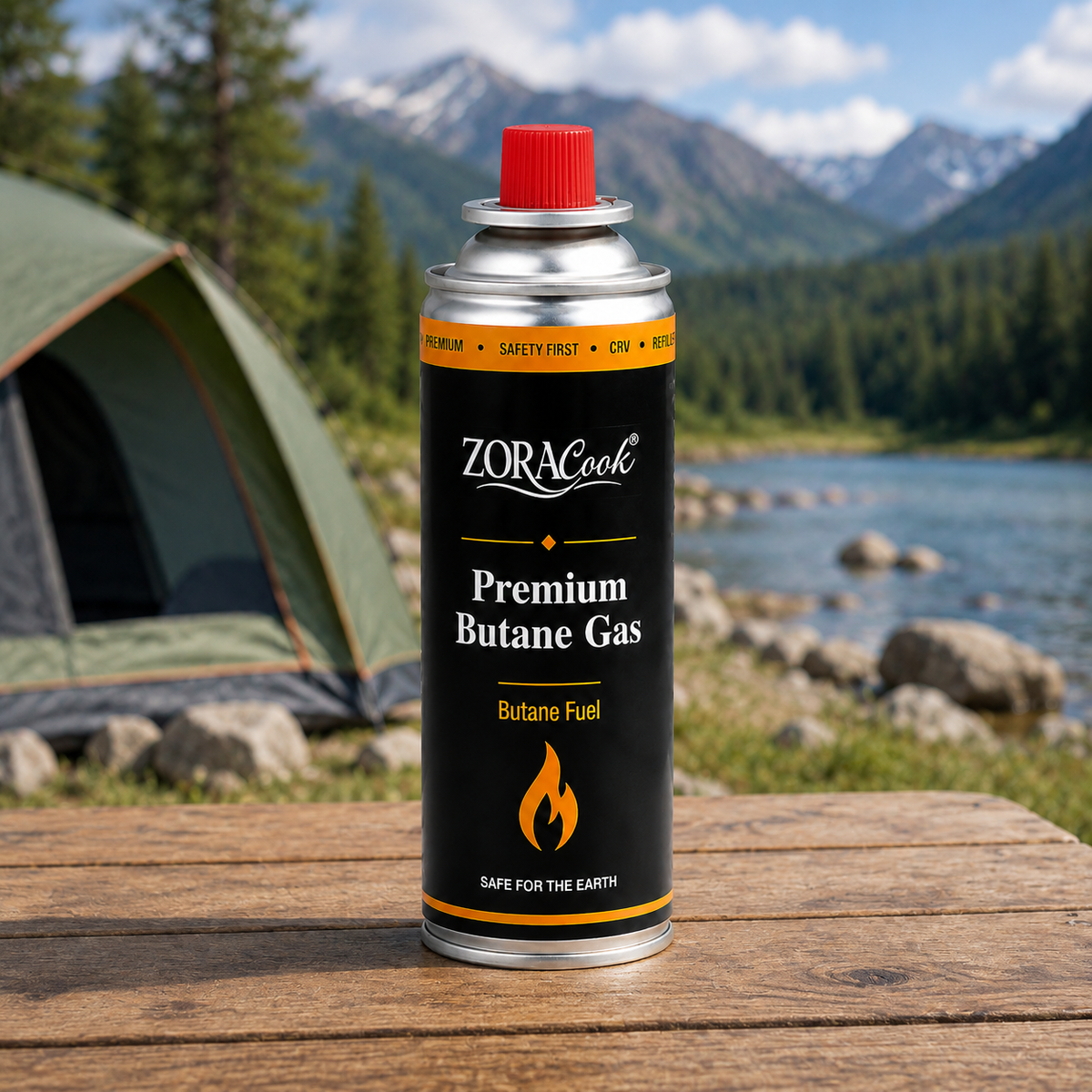
Direct answer: Before connecting any butane canister to a mini camping stove, portable stove, or refillable torch, wipe the valve rim clean, seat the canister with light, even pressure, and pause for 2-3 seconds before igniting. A properly sealed canister shows no gas smell and no hiss. If you smell gas or hear hissing, disconnect immediately, move outdoors, and swap the canister — never force a flame onto a leaking connection.
Why does a new butane canister sometimes smell of gas?
A faint whiff of gas the moment you screw or clip in a fresh canister is common and usually harmless — it's a trace release from the valve seating, not a leak. The concern is when that smell lingers, gets stronger, or is paired with a hissing sound. That's your canister (or the stove's connector) telling you the seal hasn't formed properly, and it's the single most common real-world complaint budget mini-stove buyers in India report: gas smell on installation and wobbly, hard-to-trust connections.
The fix isn't complicated, but it does need to become a habit — especially the first time you use a new Mini Camping Stove or a fresh pack from the Butane Gas Cylinders range.
How do you check a butane canister seal before first use? (Step-by-step)
- Inspect the canister valve rim first. Before it goes anywhere near the stove, look at the metal valve nozzle for dents, rust, or a bent rim. A damaged valve will never seal cleanly no matter how carefully you connect it — set it aside and use a different can. The same rim carries the CRV marking and the net fill figure, and both are worth reading while you are looking: how to check a butane can's CRV valve, seal and fill.
- Wipe the valve and the stove's connector. Dust or packaging residue on either surface stops the rubber seal from sitting flush. A dry cloth wipe takes five seconds and removes most first-use leak complaints before they start.
- Line up the connection straight, not at an angle. Whether the can screws in — as on the ZORACook Mini Camping Stove, where it goes in horizontally into a threaded port on the side of the stove body — or presses into a side slot, as on the full-size ZORACook Portable Gas Stove, a crooked first contact is the #1 cause of a bad seal. Let the stove or torch guide the canister in rather than pushing it in on a tilt.
- Seat it with light, even pressure — don't force it. A can that screws in should turn smoothly until it is hand-tight, then stop; a can that presses into a slot should seat with a firm but gentle push until it locks. If it feels like you're fighting the connection, back off and re-check the alignment instead of pushing harder.
- Pause and listen for 2-3 seconds before lighting. A sealed canister is silent. Any hiss — even a faint one — means gas is escaping around the seal. Disconnect, inspect both surfaces again, and try a fresh canister if the hiss repeats.
- Do this check outdoors or in a ventilated space, per ZORACook's safe-use guidance for all butane appliances, so a first-time bad seal never turns into a build-up risk.

What does a good seal look and sound like, versus a warning sign?
| Check point | Good seal (safe to light) | Warning sign (do not light) |
|---|---|---|
| Smell | None, or a trace whiff that fades in seconds | Persistent or strengthening gas smell |
| Sound | Silent after connecting | Any hissing, however faint |
| Fit | Snug with light, even pressure; no wobble | Loose, wobbly, or needs force to stay connected |
| Valve rim | Smooth, no dents or rust | Visibly bent, dented, or corroded |
| Flame (once lit) | Steady blue flame | Flickering, yellow/orange flame, or flame at the joint itself |
What should you do if you smell gas or hear hissing?
Stop immediately — don't attempt to light the stove or torch. Disconnect the canister, move to open air if you're not already outdoors, and inspect the valve rim and connector for damage or debris. Try a second, fresh canister from a sealed pack before assuming the stove itself is faulty. If the same stove hisses with multiple different canisters, the fault is likely in the stove's connector, not the gas — stop using it and check the unit rather than the fuel.
Safe-use note: Always check the seal in a well-ventilated area, away from open flames and direct sunlight, and keep butane canisters and lit appliances out of reach of children. Never puncture, incinerate, or force a damaged canister into use.
Does the seal check differ for cassette vs screw-on canisters?
The principle is identical — clean, straight, unforced, then listen — but the failure points differ slightly. First, the canister itself: every ZORACook stove and torch runs on the same cassette-type 225g can, and a threaded EN417 screw-on canister — the squat, round backpacking type — does not fit any of them. What changes is how the appliance takes that cassette can. A can that presses into a side slot, as on the full-size Portable Gas Stove, fails most often from a crooked first push or a chipped valve edge. A can that screws into a threaded port, as on the Mini Camping Stove, fails most often from cross-threading, where it starts turning at an angle and never sits flush. Either way, the 2-3 second listen-before-you-light habit catches both failure types before they become a real problem. If you are not yet certain which family your own stove takes, settle that before you buy fuel — our complete guide to butane gas in India covers the two can types, what fits what, and the rest of the fuel in one place.
How do you store butane canisters so the seal stays good for next time?
- Keep canisters in a cool, dry place, away from direct sunlight and heat sources.
- Never store canisters in a car or an enclosed space in summer heat.
- Keep the valve cap or cover on when a canister isn't connected, to protect the rim from dents.
- Keep out of reach of children, and away from open flames at all times.
- Don't mix a partially-used canister with damaged ones in storage — a bent valve on one can nick the rim of another in transit.
A canister that's been stored correctly is far less likely to give you a bad-seal surprise on first use. If you're stocking up for a trekking trip or a monsoon power-cut backup, the Butane Gas Cylinders range comes in single cans up to packs of 12, so you can carry spares without opening more than you need at a time. For how long each can actually lasts once it's running, see How Long Does a Butane Gas Cylinder Last on a Portable Stove?

Frequently asked questions
Is a little gas smell normal when connecting a butane canister?
Yes, a brief trace smell at the moment of connection is normal and usually clears in a few seconds. A smell that lingers, grows stronger, or is joined by a hissing sound is not normal — disconnect and re-check.
Can I reuse a butane canister that hissed once?
Only after you've confirmed the hiss was caused by a bad connection (crooked seating, dirt on the valve) and not damage to the canister itself. If the valve rim looks dented, bent, or corroded, don't reuse that canister — use a fresh one instead.
How do I know if the problem is the canister or the stove itself?
Test with a second, fresh canister. If the hiss or smell goes away, the first canister was the issue. If it happens again with a different canister, the stove or torch's own connector needs to be checked before further use. If the stove is the one at fault, our portable gas stove troubleshooting guide works through the nine symptoms — no hiss, weak flame, yellow flame, a can that will not lock — and what each one means.
Is it safe to use a portable butane stove indoors once the seal checks out?
A good seal removes the leak risk, but ventilation is a separate safety factor — portable butane stoves should only be used indoors with an open window or door for cross-ventilation, and never in a sealed room, tent, or while sleeping. See Is It Safe to Use a Portable Butane Stove Indoors? for the full ventilation guide.
Where can I check the seal on a ZORACook stove or torch before first use?
Any well-ventilated outdoor space or an open balcony/kitchen with a window open works. Follow the six-step check above with your Mini Camping Stove, Portable Gas Stove, or refillable torch before the very first light-up, and again any time you swap in a new canister.
The bottom line
A hissing or gas-smelling connection is almost always a seal problem, not a defective product — and it's fixable in under a minute once you know what to check. Wipe, align, seat gently, and listen before you light, every single time you connect a new canister. Stock up on correctly stored, ready-to-use canisters from ZORACook's Butane Gas Cylinders collection, sized from a single can to a pack of 12, and pair them with a ZORACook Mini Camping Stove for your next trek, power cut, or PG-room cooking setup.